
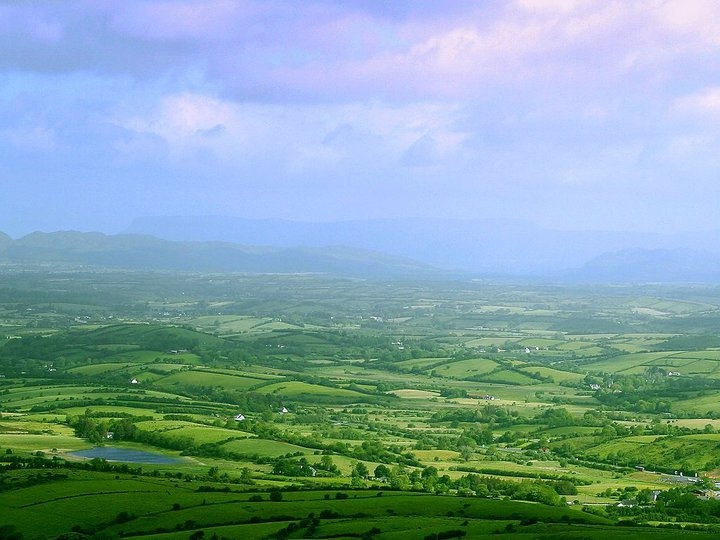
In the 1800s-1900s an entire third of the Irish people left their homeland, never to return. Many were shipped to English penal colonies and plantations, others fled to America. You are here because you are an American descendant of these emigrants or are interested in their stories…
Welcome. Fáilte!
What Does it Mean to Be Irish American? This is the main question we hope to help you answer, not only during Irish-American heritage month but every day of your life.
Irish-Americans have lost our identity, our stories and our history. These are not just words: there has a real loss dealt to the spirit of Irish-Americans. It is something that we cannot understand without knowing what we have lost and the prices we have paid.
Welcome home. Sé do bheatha abhaile.
What is Éire/Ireland?
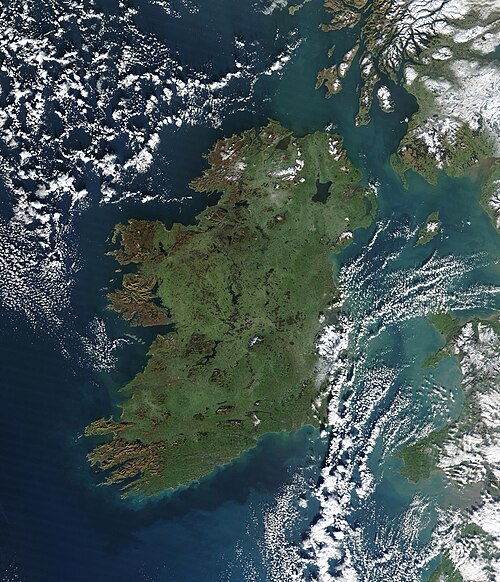
Éire is the Irish word for the island of Ireland, a small, green island in the Atlantic Ocean. It is a land rich in folklore, thousands of years of history and meaningful traditions, a land with a living history that still shows the scars of centuries of English colonization.
What does that mean? Under King Henry the Eighth, Ireland was invaded and “plantations” of English (and some Scottish) settlers who remained to control the local population. The Irish people were subjected to violence and control that continued over centuries. The English crown justified stealing Irish land, subjugating, imprisoning and exploiting Irish people, as well as killing and starving the Irish population to solve “The Irish Problem.”
Each of these stages were part of their eventual plan to completely remove the Irish from Ireland. “The Irish Problem” was the question of how England should accomplish this goal.
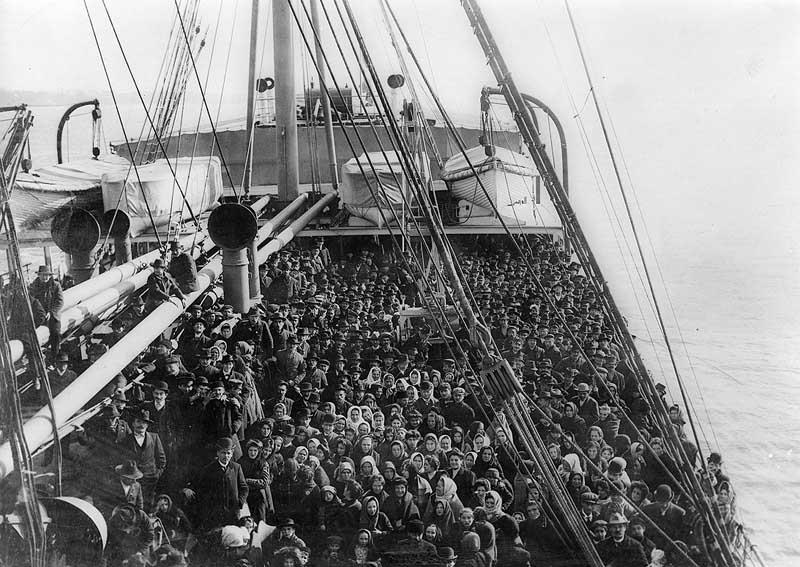
It is for this main reason that the Irish fled to America. They did not want to leave their homelands, their families and farms, but could not risk staying. One third of the Irish population died in a mass starvation inflicted on the Irish by the English in the late 1800s during a blight on the Irish potato crop. One third of the Irish emigrated. The English crown had all but accomplished their ultimate goal. Thousands of Irish people remained and continued the fight for their freedoms.
To survive, the Irish emigrants took to the seas, arriving in other lands that had also been occupied by the English, such as North America, as refugees. There, they tried to make a life for themselves despite the anti-Irish racism seeded within the colonies.
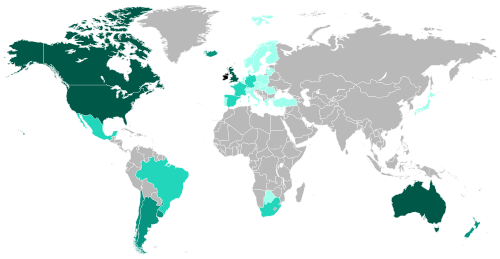
Irish descendants spread across the world. A true diaspora, Irish people have blended and assimilated with cultures around the world, making lives for themselves where they could as refugees from the war.
Meanwhile war continued in Ireland. Freedom fighters continued to rebel, gaining momentum and number. In the 1920s, Ireland won control of the majority of the island. The North of Ireland would continue to be controlled by the British Empire, partitioning the island while allowing a shaky peace to settle.

Meanwhile, many of us American descendants of the Irish diaspora do not know this history at all. For our great-grandparents, talking about these traumas may have been difficult. Generations can forget.
Especially when it would allow them to assimilate into the dominant Anglo-American culture where they were trying to survive. Negative stereotypes dogged the Irish for generations, but eventually other groups were finding themselves more heavily targeted by the government; people with darker skin, people seeking their own freedoms and their land back in America. Irish-Americans stopped thinking of ourselves as Irish at all and simply became “white.”
This story of the Irish refugees sits uneasily on the shoulders of many. It is a sad, complex and uncomfortable story. It is also a story full of resilience and the ingenuity of our ancestors to survive and thrive. Their story is a part of your identity. Everything from their traumas to their creativity lives in your epigenetics.
So What Comes Next?
I hope you will take the next step in learning more about your Irish ancestors, Ireland and Irish culture. Everything on this website is free, including our youtube playlists on what it means to be a part of the Irish diaspora.